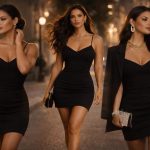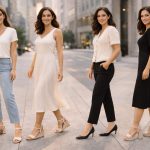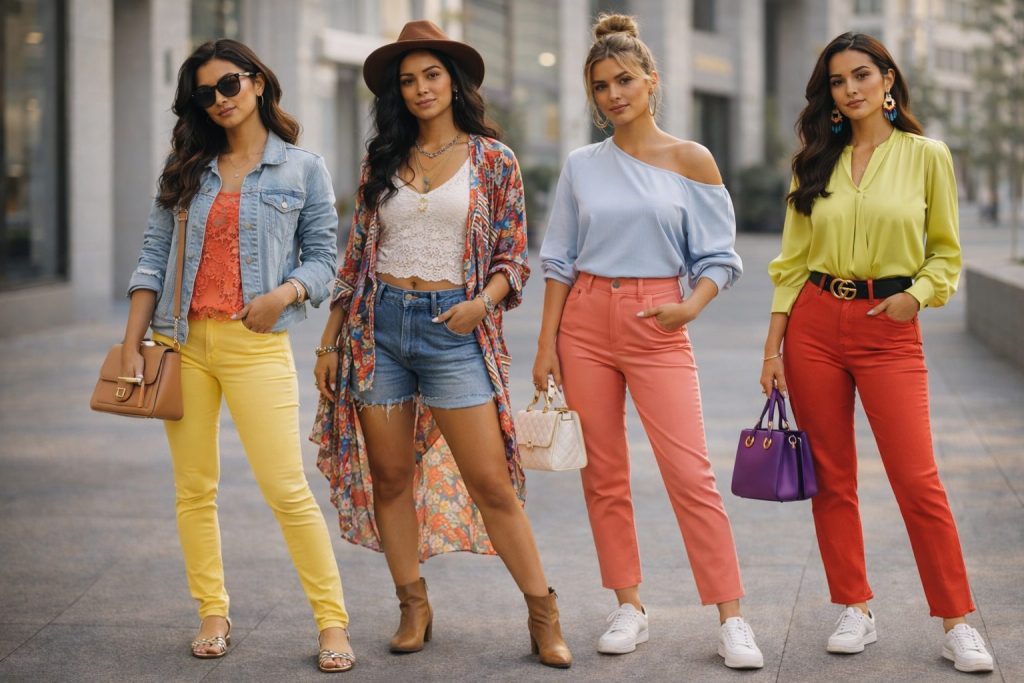

The 2010s did not move neatly from one trend to the next. They lurched, looped, and borrowed from nearly every style era in sight. One look would dominate for a moment, only to be replaced by something sharper, softer, louder, or more polished.
That tension sits at the heart of 2010s fashion trends. Minimal outfits lived beside bold statement looks. Vintage-inspired pieces were paired with modern basics. Streetwear slipped into more polished wardrobes with surprising ease.
For women, that made the decade feel different. Getting dressed became less about fitting into one aesthetic and more about building a personal point of view. Style felt more self-directed, more expressive, and far more open to reinvention.
What Defined 2010s Fashion Trends for Women
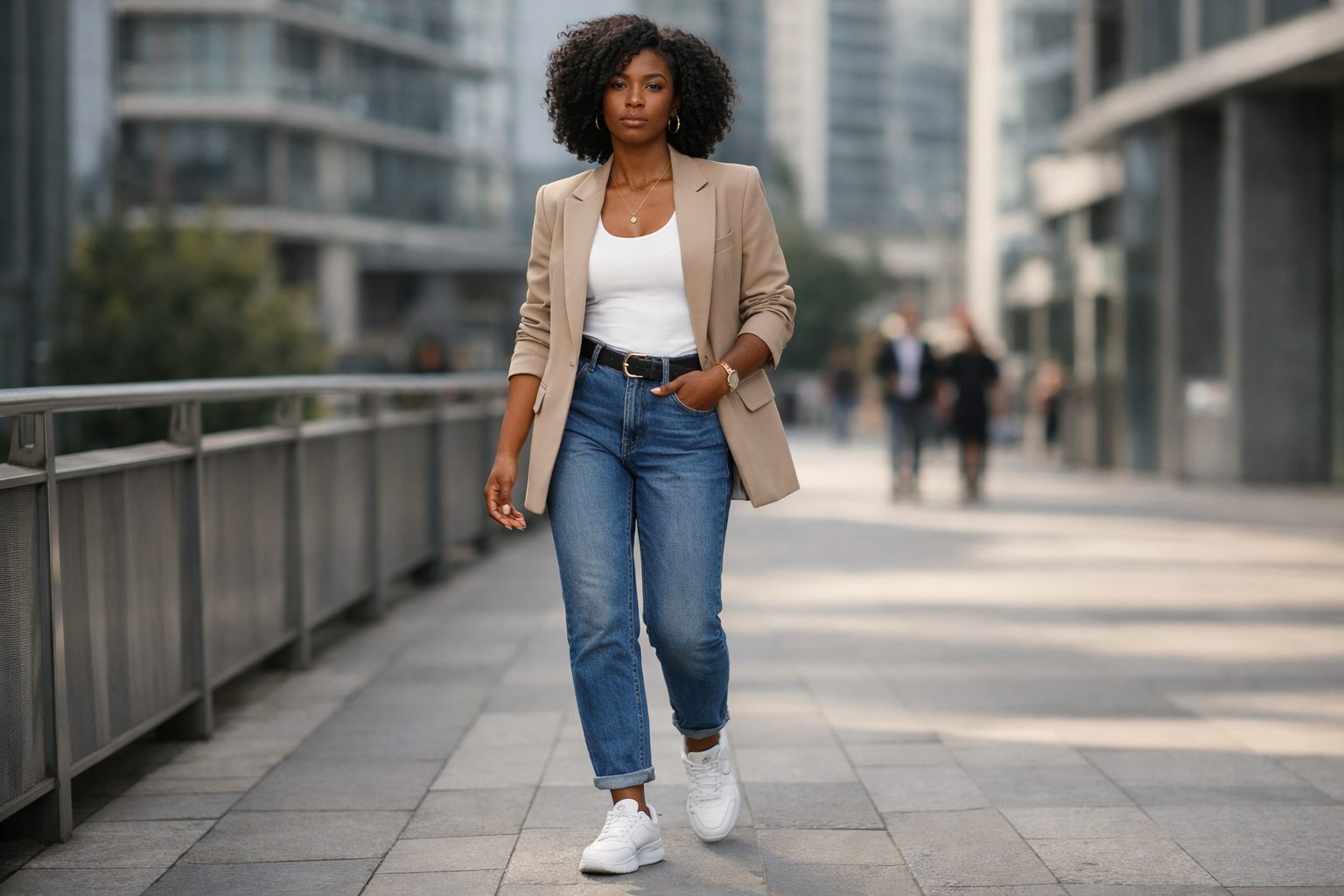
The clearest feature of 2010s fashion trends was range. No single aesthetic controlled the decade for long. Instead, women moved between influences, mixing polished pieces with casual staples, nostalgic references with current silhouettes, and statement details with stripped-back styling.
The Core Elements of 2010s Style
- Skinny jeans styled with both casual and dressier pieces
- High-waisted silhouettes gradually replacing low-rise fits
- Streetwear influences entering everyday wardrobes
- Vintage references showing up in modern outfits
- Neutral minimal looks sharing space with bolder styling
That shift made fashion feel more personal. Rather than dressing around a single trend, women began building looks around what suited their mood, shape, and style instincts.
Early 2010s Fashion Was Bold, Layered, and Impossible to Ignore

The first years of the decade still carried the high-visibility energy of the late 2000s. Early 2010s fashion for women leaned heavily on color, layering, and accessories that made an outfit feel finished from every angle.
Key Early 2010s Fashion Pieces
- Bright skinny jeans in saturated shades
- Graphic tees layered with tanks, hoodies, or fitted jackets
- Oversized sunglasses and statement handbags
- Distressed denim and eye-catching textures
Layering did much of the work. Tanks sat over tees. Hoodies appeared under jackets. Dresses were worn with leggings, tights, or skinny jeans. The effect was busy, deliberate, and unmistakably of its time.
Accessories pushed the look further. Chunky belts, large bags, and standout details added personality and drama. Very little about this phase of the decade was restrained, and that excess was part of the appeal.
Vintage Revival Brought Back Shape, Waist Definition, and More Styled Outfits

As the decade developed, 2010s fashion trends for women began pulling more openly from earlier eras. High-waisted jeans, retro blouses, peplum tops, and structured silhouettes returned to everyday dressing and shifted the overall shape of women’s outfits.
Why Vintage-Inspired Fashion Worked So Well
- It brought more shape and waist definition to outfits
- It made mixing decades feel stylish rather than random
- It gave everyday dressing a more intentional finish
Bright blazers, fit-and-flare shapes, and playful prints added a sense of nostalgia without making outfits feel costume-like. The point was not to recreate the past exactly. It was to take the most flattering and recognizable parts of it and make them feel current.
Accessories followed the same path. Chunky necklaces, metallic finishes, and retro-style accents gave outfits more texture and personality without pushing them too far.
Soft Grunge Added Edge to Women’s Fashion in the Early 2010s
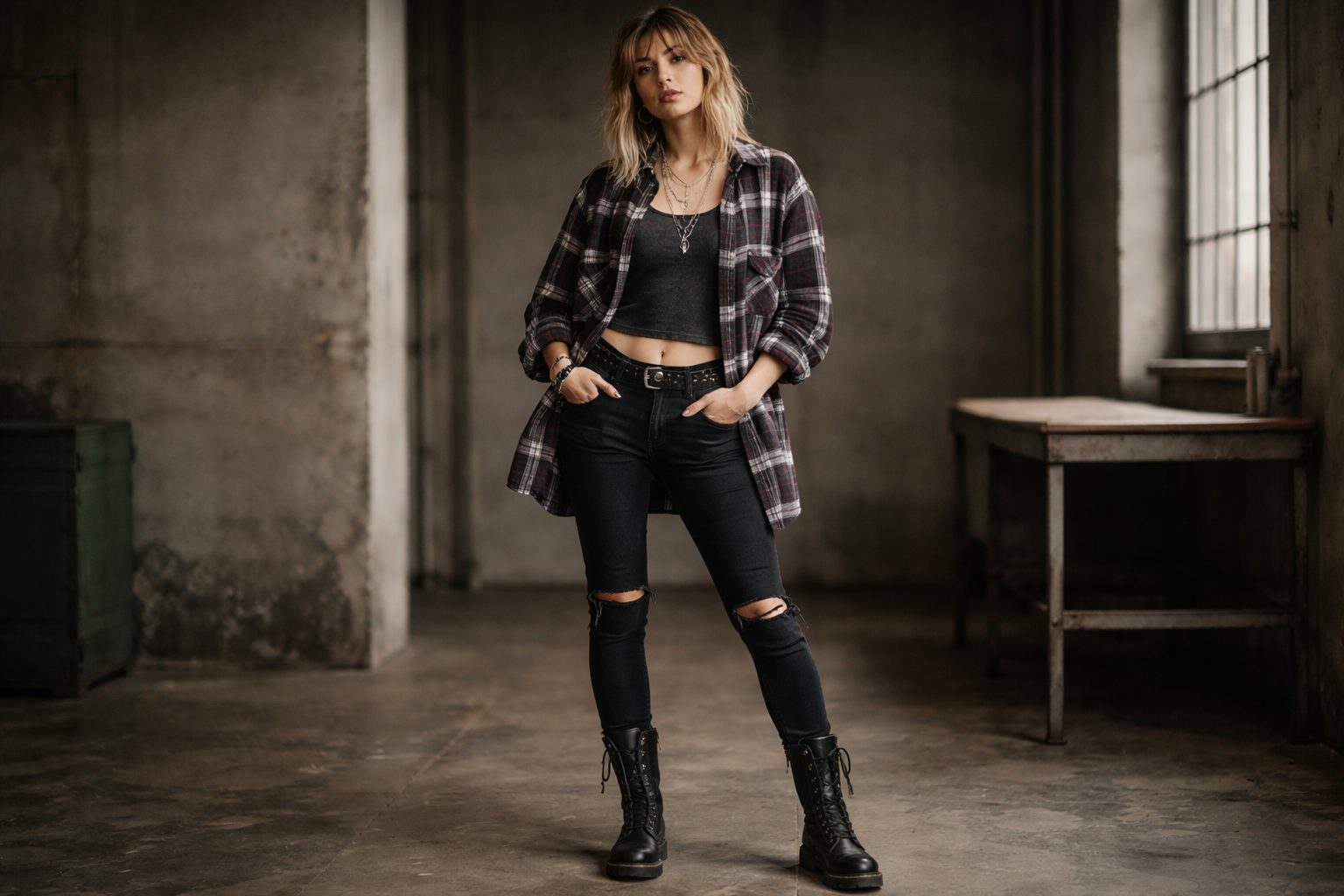
As online style culture expanded, moodier looks gained traction. Soft grunge fashion introduced a more undone, more offhand, and slightly darker direction that still felt styled.
Soft Grunge Staples
- Oversized flannels and loose knits
- Combat boots and heavier footwear
- Dark prints, including skull and gothic motifs
- Distressed textures and layered separates
This aesthetic mattered because it broadened what polished could mean. An outfit no longer had to look pristine to feel intentional. It could be relaxed, roughened up, and still clearly put together.
At the same time, silhouettes continued to shift upward. High-waisted bottoms became more standard, giving women more balance and more shape across a wide range of styles.
Festival Fashion Moved from Weekend Dressing into Everyday Wardrobes

Festival fashion outfits became one of the most recognizable style currents of the decade. What began as event dressing quickly filtered into everyday outfits, especially during the warmer months.
Festival Style Essentials
- Flowing dresses and lightweight fabrics
- Layered necklaces and stacked bracelets
- Earthy tones and natural textures
- Relaxed silhouettes that still looked thoughtfully styled
For women, the appeal was obvious. Festival style offered softness, movement, and a more carefree kind of femininity. It looked easy, yet it still felt visually complete.
Flower crowns, bohemian accessories, and loose silhouettes became instantly recognizable markers of the era. Beneath that, a larger shift was taking place. Women were beginning to favor styling that felt freer and less rigid, even when the overall look remained curated.
Minimalist Fashion for Women Took Over Mid-Decade
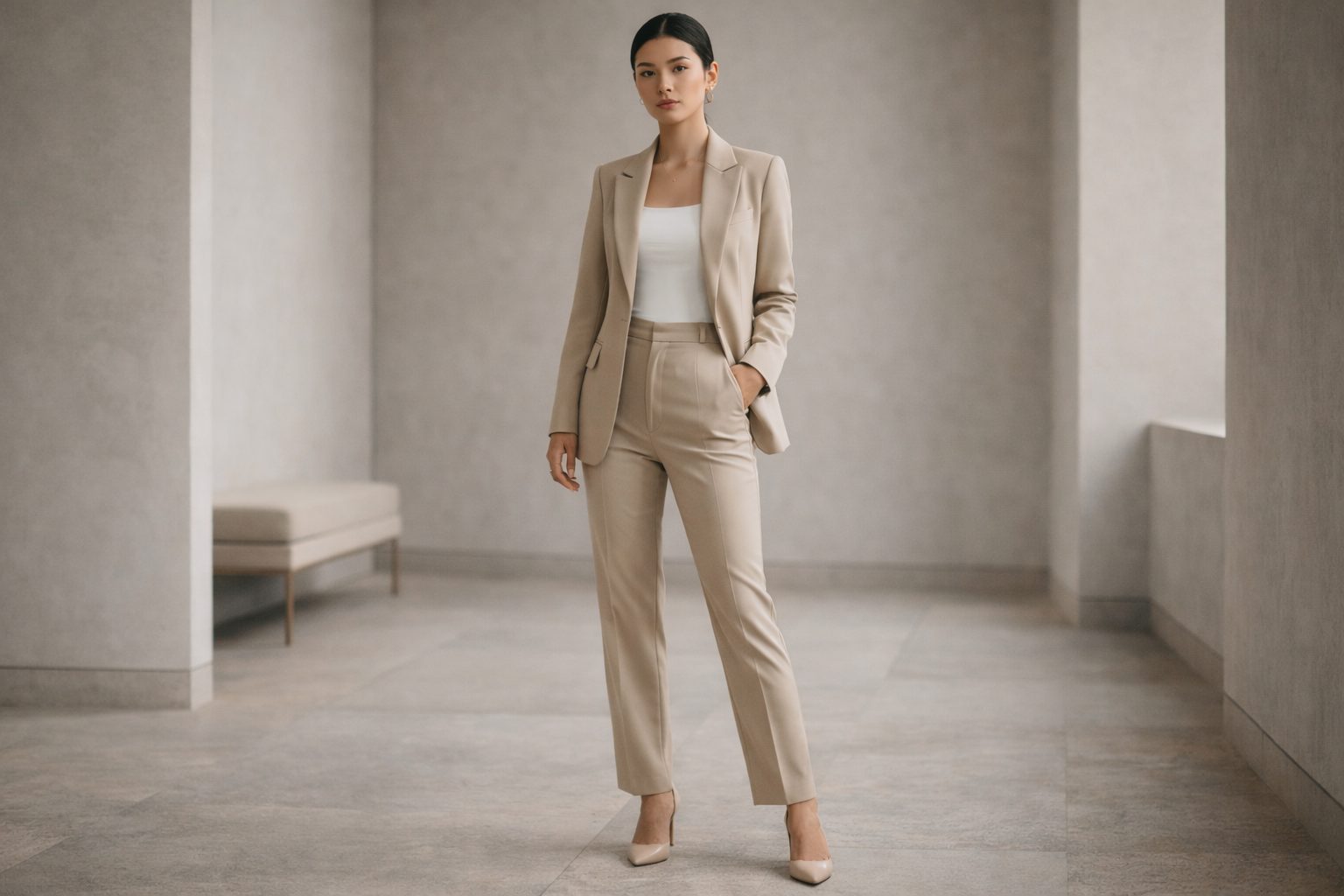
By the middle of the 2010s, fashion swung in a quieter direction. Minimalist fashion for women gained serious ground as bright colors and heavy layering gave way to neutral palettes, clean lines, and sharper styling.
Minimalist Wardrobe Staples
- Neutral outfits in black, beige, white, and soft gray
- Structured blazers and tailored trousers
- Simple tops with clean, precise cuts
- Monochrome dressing with subtle texture
This was not a loss of personality. It was a refinement of it. A crisp blazer, a clean neckline, or a perfectly cut pair of trousers could say more than an outfit overloaded with detail.
Minimalism brought in a quieter form of confidence. Women no longer needed every piece to announce itself. The silhouette, proportion, and finish began carrying more of the weight.
Athleisure Changed What Everyday Women’s Style Could Look Like

Athleisure outfits became one of the decade’s most lasting fashion shifts. Comfort stopped living outside style and started sitting right at the center of it.
Athleisure Style Basics
- Leggings paired with structured coats or jackets
- Sneakers worn well beyond the gym
- Joggers styled with sharper, more elevated pieces
- Simple tops balanced by clean outer layers
The real change came from the styling. Women were not just wearing comfortable pieces. They were combining them with more polished items to create outfits that felt modern, believable, and easy to live in.
That balance changed everyday dressing permanently. Fashion became more wearable without losing its sense of intention.
Late 2010s Fashion Felt More Polished, Balanced, and Grown

As the decade drew to a close, Late 2010s fashion trends moved toward a more composed and refined look. Outfits became cleaner, proportions more deliberate, and styling more restrained.
What Defined Late 2010s Style
- Straight-leg and relaxed denim replacing the hold of skinny fits
- Oversized outerwear with stronger structure
- Neutral palettes with more tonal variation
- Tailored, balanced outfits with fewer extra pieces
Women’s fashion in this phase felt more considered. Rather than building looks through repeated layers, the focus shifted to line, proportion, and shape.
It was a more adult form of style, though not a dull one. The confidence was still there. It was simply expressed with more restraint.
Retro Influence Returned Again with 1970s Details and Richer Textures

Toward the end of the decade, fashion circled back to the past once more. 1970s fashion trends reappeared through flared silhouettes, textured fabrics, and deeper, warmer tones.
Key Retro Elements
- Flared trousers and wider-leg shapes
- Corduroy and other tactile materials
- Warm shades like rust, mustard, and deep green
- Denim and subtle western-inspired accents
This revival gave women more room to play with texture and shape again. The look felt richer and more expressive than mid-decade minimalism, but it still carried a level of polish.
That is what made it work. The styling did not feel like repetition. It felt like reinterpretation, using the strongest parts of an older era to create something fresher.
Playful Styling Returned Before the Decade Closed

Right before the 2010s ended, fashion loosened up once more. Bold fashion trends returned through shinier fabrics, stronger accessories, and more expressive outfit combinations.
Playful Style Elements
- Bright colors and statement pieces
- Shiny, slick, or highly textured fabrics
- More experimental outfit pairings
- Accessories designed to stand out again
This phase brought some fun back into the picture. After years of refinement and neutral dressing, women had more space to be playful again without losing the sophistication the decade had built.
It was a reminder that strong style does not always have to look restrained. Sometimes it works best when it is a little bolder and far more self-aware.
Social Media Changed Women’s Fashion Forever

2010s fashion trends cannot be separated from the rise of social media. Platforms changed how women discovered outfits, adopted trends, and shared personal style with each other.
- Trends moved faster than ever
- Personal style became more public
- Influencers affected what women bought and wore
- Outfits were styled for both real life and online visibility
Fashion became more immediate and more accessible at the same time. Instead of waiting for a magazine spread or runway recap, women could see, save, and try new looks almost instantly.
That speed changed the rhythm of style entirely. It also made fashion feel less distant, less formal, and much more participatory.
Why 2010s Fashion Still Shapes How Women Dress Today

The impact of 2010s fashion trends is still easy to spot in women’s wardrobes now. Many choices that feel normal today took root during that decade.
- Mixing different aesthetics now feels natural
- Comfort is fully part of everyday fashion
- Vintage references still shape modern outfits
- Personal style matters more than strict trend loyalty
The 2010s did more than introduce a string of memorable looks. They changed the way women think about getting dressed. Style became more individual, more flexible, and more reflective of the woman wearing it.
That is why the decade still matters. It did not just leave behind trends. It left behind a new attitude toward fashion itself.